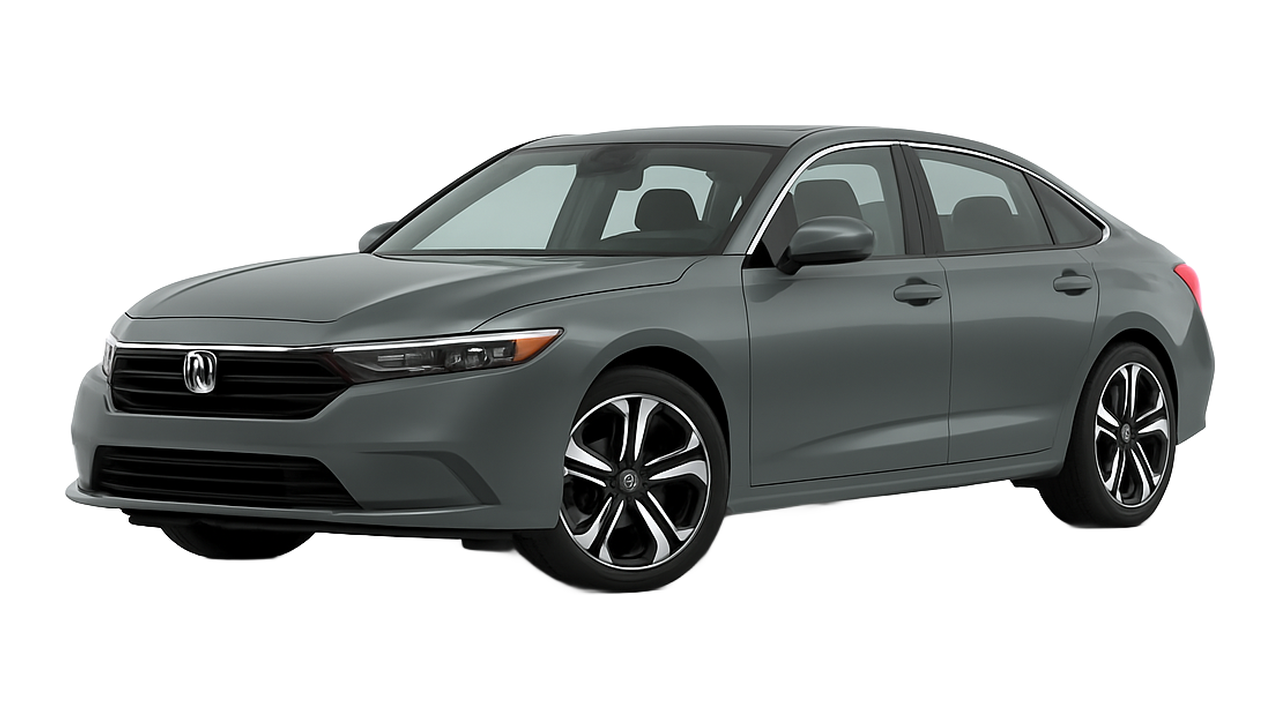
Features & technology

Accord Features

Everything the Accord offers — technology, safety, comfort, and its hybrid powertrain — explained in plain language, with the trims that include each feature. The definitive guide before you choose a trim.

Browse features by category
The complete feature guide

What this vehicle offers

Explore everything the Accord offers, grouped by category. Each feature shows which trims include it.

223verified features
8categories
88standard lineup-wide
Highlights

Standout features

The strongest verified features across the lineup — at a glance, before you dive into each category.

Interior
Adaptive Cruise Control with Low-Speed Follow
Adaptive Cruise Control automatically adjusts the vehicle's speed to maintain a set following distance from the car ahead, rather than holding a fixed speed like conventional cruise control. The Low-Speed Follow capability extends this function down to very slow speeds, including stop-and-go traffic conditions. This feature is standard across all Accord trims.
Why it matters Drivers who spend time on highways or in congested traffic will find that this system reduces the mental effort of constantly modulating the throttle and brake. It is particularly useful during long highway trips or daily commutes with variable traffic flow.
Standard
Interior
Smart Device Integration
Smart device integration allows a compatible smartphone to connect to the vehicle's infotainment system, mirroring select apps and functions on the in-dash display. This typically enables hands-free calling, messaging, navigation, and media playback through the car's controls. The connection is designed to reduce the need to handle a phone while driving.
Why it matters Drivers can access familiar apps through the vehicle's screen and controls rather than picking up their phone, which supports safer driving habits. It also means navigation and music preferences from a personal device are readily available in the car.
Standard
Safety
ABS and Driveline Traction Control
Anti-lock Braking System (ABS) prevents the wheels from locking up during hard braking by rapidly modulating brake pressure at each wheel, allowing the driver to maintain steering control. Driveline traction control monitors wheel spin during acceleration and reduces power or applies braking to the spinning wheel to restore grip. Both systems operate automatically without driver input.
Why it matters These two systems work together to help the driver maintain control in situations where grip is reduced — wet roads, loose gravel, or sudden stops. They don't replace attentive driving but do provide a meaningful safety margin in unexpected situations.
Standard
Safety
Back-Up Camera
A back-up camera activates automatically when the vehicle is shifted into reverse, displaying a live video feed of the area behind the car on the infotainment screen. Most systems include guidelines to help the driver judge distance and trajectory. The camera provides visibility into areas that mirrors and direct sight lines cannot cover.
Why it matters Reversing into parking spaces, out of driveways, or in tight lots is more straightforward when the driver can see what's directly behind the vehicle. The camera is particularly useful for detecting low obstacles, children, or pets that would otherwise be in a blind spot.
Standard
Safety
Collision Mitigation Braking System (CMBS) with Forward Collision Warning (FCW)
Forward Collision Warning uses sensors to monitor the distance and closing speed between the Accord and the vehicle ahead, alerting the driver with visual and audio cues if a collision appears likely. If the driver doesn't respond in time, the Collision Mitigation Braking System can automatically apply the brakes to reduce impact speed or, in some cases, avoid the collision entirely. These systems work together as a layered response — warning first, then acting if necessary.
Why it matters Rear-end collisions are among the most common accident types, and this system addresses that risk directly. Even if it only reduces the severity of an impact rather than preventing it entirely, the reduction in speed at the moment of collision can make a meaningful difference in outcomes.
Standard
Safety
Collision Mitigation Front
This system uses sensors to detect vehicles or obstacles ahead and warns the driver when a potential collision is identified. If the driver does not respond in time, the system can automatically apply the brakes to reduce impact severity. It operates continuously while the vehicle is in motion.
Why it matters Having automatic braking assistance can reduce the likelihood of a front-end collision or lessen its severity, which is meaningful in stop-and-go traffic or moments of driver distraction.
Standard
Safety
Curtain First and Second Row Airbags
Curtain airbags are mounted along the roofline and deploy downward to cover the side windows in both the front and rear seating rows during a side-impact or rollover event. They create a protective barrier between occupants and the window area. Coverage across both rows means both front and rear passengers benefit from this protection.
Why it matters For families or anyone who regularly carries rear-seat passengers, knowing that side-curtain protection extends to the back row adds meaningful peace of mind.
Standard
Safety
Driver and Passenger Knee Airbag and Rear Side-Impact Airbag
Knee airbags are positioned beneath the dashboard and deploy to help manage lower-body forces on the driver and front passenger during a frontal collision. Rear side-impact airbags provide additional protection for rear-seat occupants in the event of a side-impact crash. Together, these airbags expand the overall coverage of the vehicle's passive safety system.
Why it matters A more comprehensive airbag layout means more of the body is protected during different types of collisions, which is especially relevant for drivers who frequently carry passengers.
Standard
Technology
Features

Technology

Infotainment, displays, and driver tech.

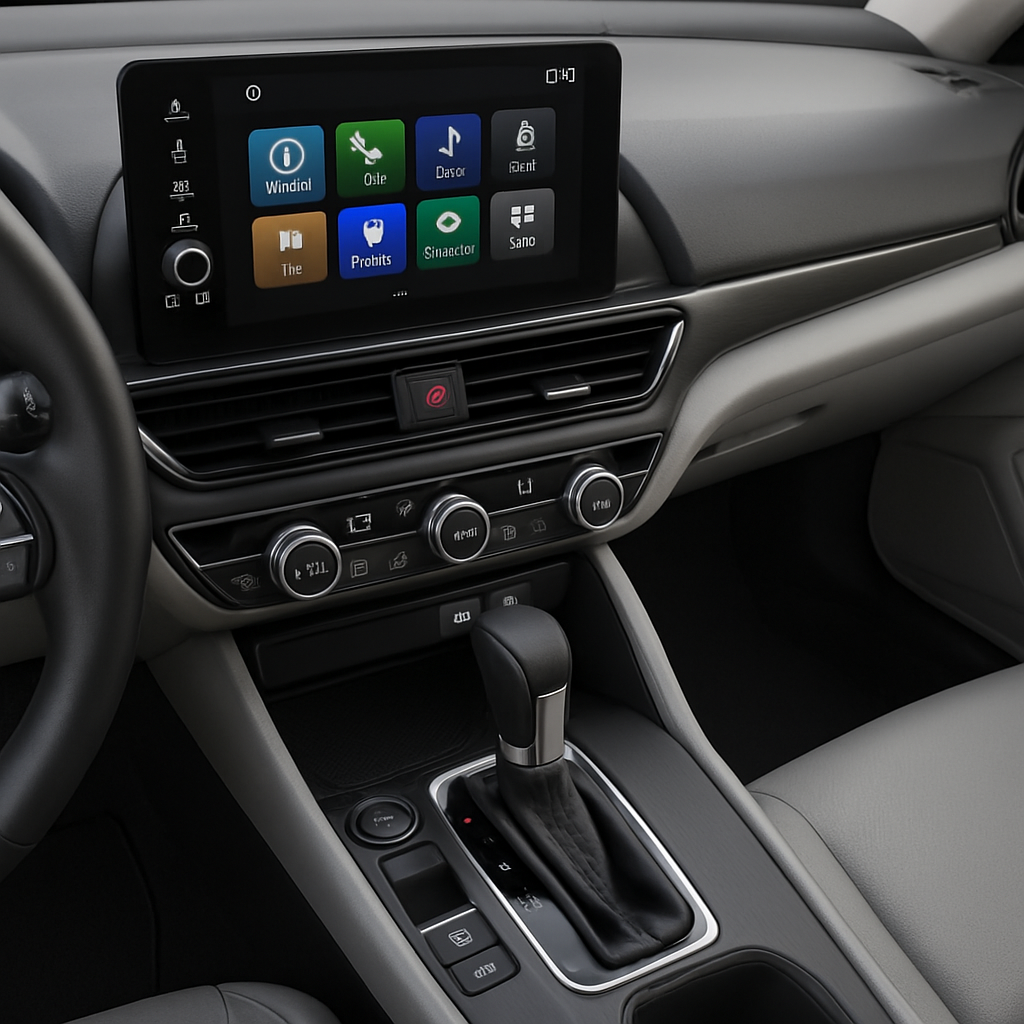
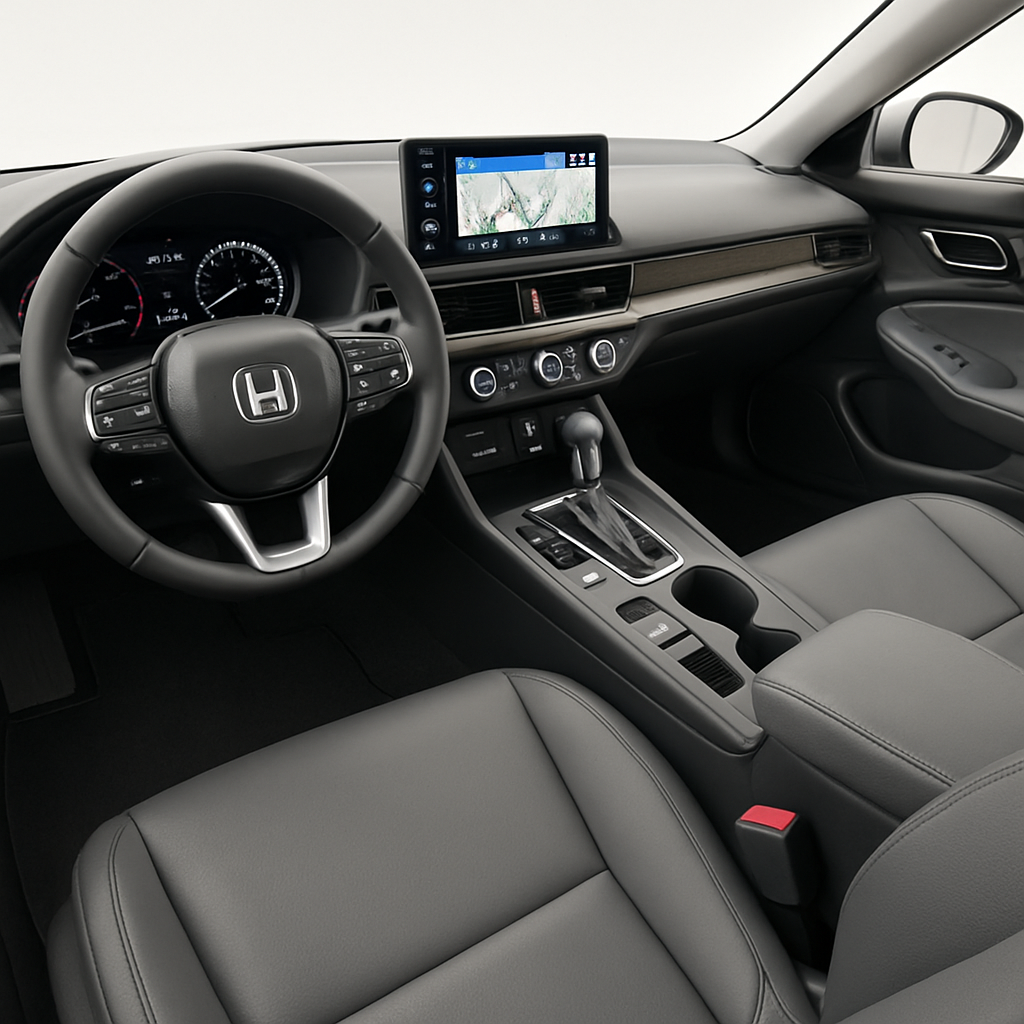
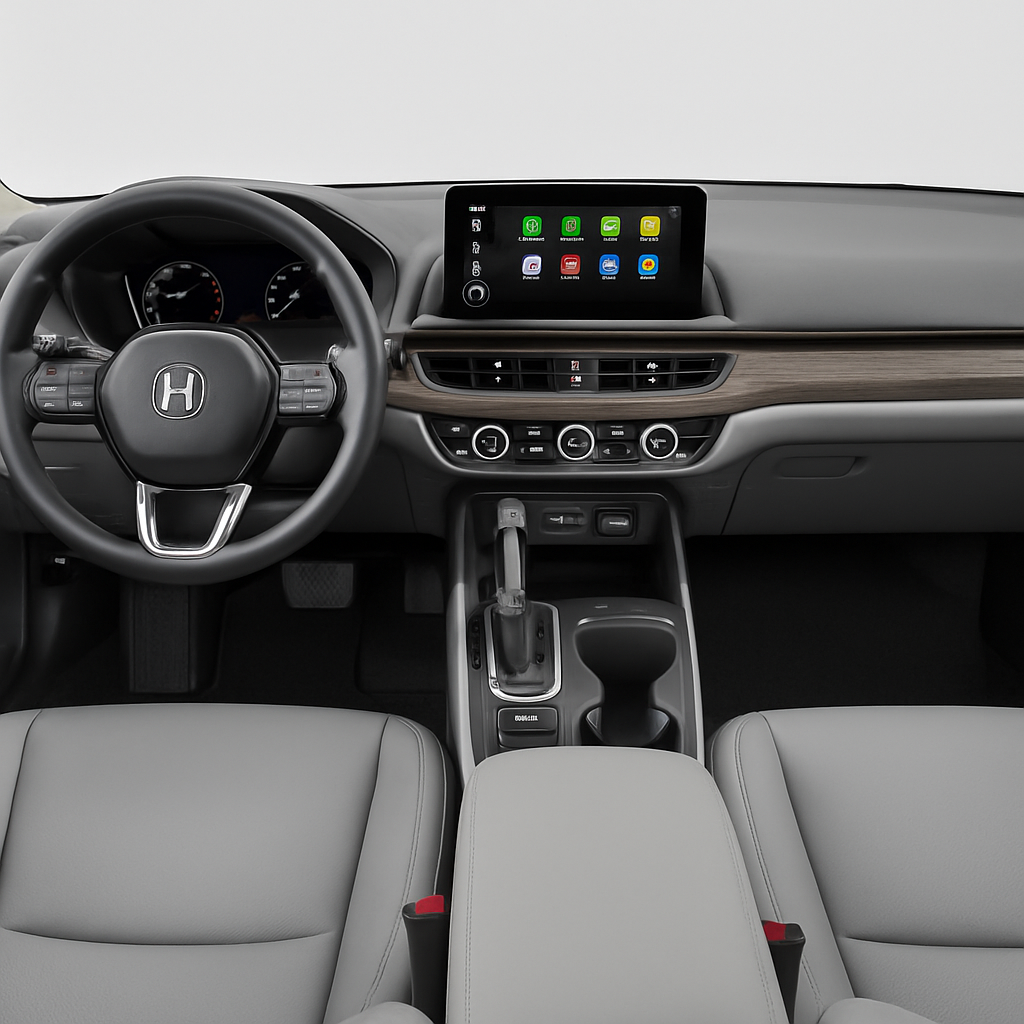
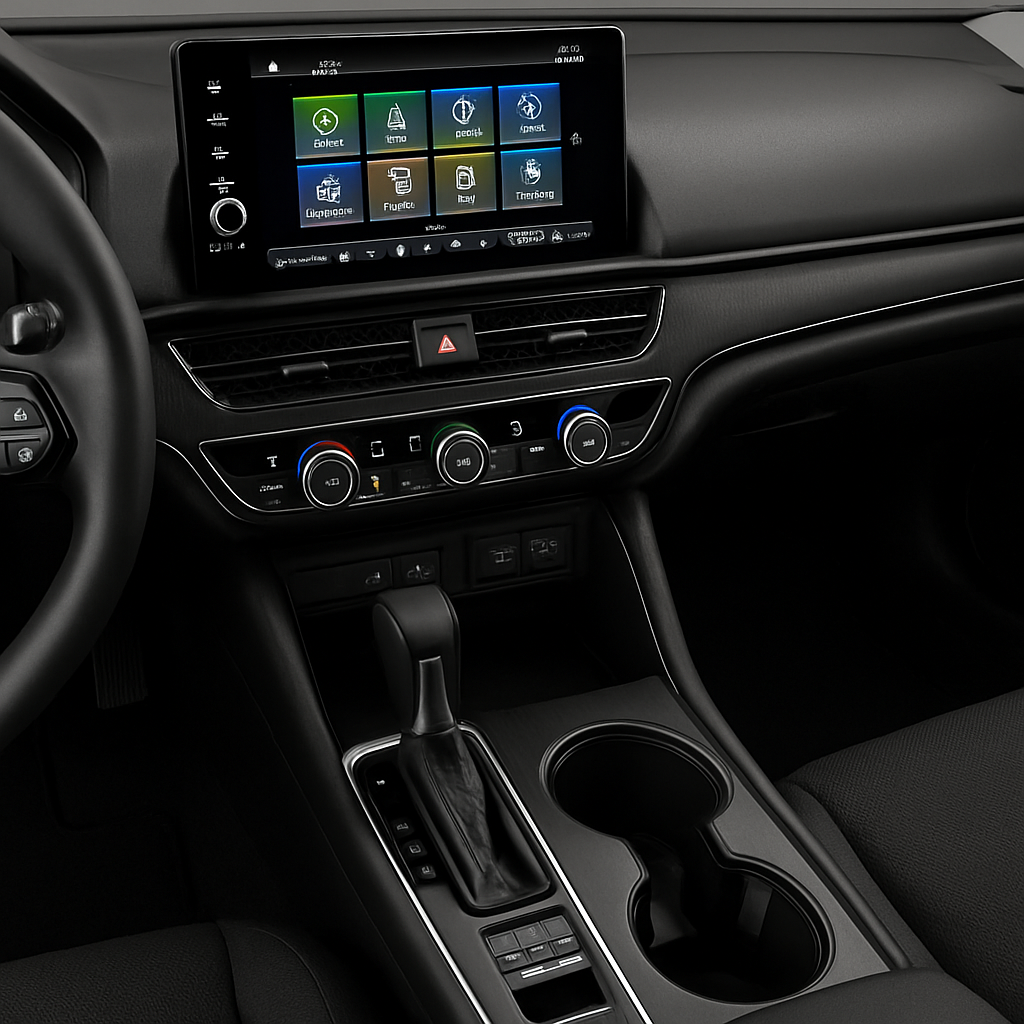
Radio: Bose Premium Sound System with Twelve Speakers, Large Touchscreen, and Google Built-In
Exclusive to the Touring trim, this system pairs a twelve-speaker Bose audio setup with a twelve-point-three-inch color touchscreen. Google is built directly into the vehicle, providing access to Google Maps, Google Assistant, and compatible apps natively through the car's interface, with three years of unlimited data included. This represents the most fully featured audio and connectivity package in the Accord lineup.
Why it matters Having Google built into the vehicle rather than mirrored from a phone means navigation and voice commands work independently of the driver's smartphone, which can be useful when the phone battery is low or the device is unavailable.
Trim-specificTouring
Bluetooth Wireless Phone Connectivity
Bluetooth connectivity allows a compatible smartphone to pair wirelessly with the Accord's infotainment system, enabling hands-free calling and audio streaming without a physical cable. Once a phone is paired, the connection is typically re-established automatically each time the driver enters the vehicle. Controls for calls and media can be managed through the steering wheel or the touchscreen.
Why it matters Keeping a phone connected without cables reduces clutter and supports safer driving habits by allowing drivers to handle calls and audio without picking up their device. The automatic reconnection feature makes the process convenient on a daily basis.
Trim-specificTouring, Sport, Sport-L, EX-L
Radio: Audio System with Larger Touchscreen, Eight Speakers, Alexa Built-In, and Wired and Wireless Apple CarPlay
Sport, Sport-L, and EX-L trims receive an eight-speaker audio system paired with a larger twelve-point-three-inch color touchscreen. Amazon Alexa is built directly into the system, enabling voice-controlled access to Alexa's broad range of skills, smart home controls, and information without relying on a phone. Both wired and wireless Apple CarPlay connectivity are included, offering flexibility depending on the driver's preference.
Why it matters The larger display provides more screen real estate for maps, media controls, and menus, while the additional speakers distribute sound more evenly throughout the cabin.
Trim-specificSport, Sport-L, EX-L
Radio: Audio System with Touchscreen, Wireless Apple CarPlay, and Android Auto
The LX trim's audio system includes four speakers and a nine-inch color touchscreen as the central interface for audio and connected features. Wireless Apple CarPlay and Android Auto allow compatible smartphones to mirror navigation, calls, messaging, and music apps on the screen without a physical cable connection. This setup serves as the primary infotainment hub for the base trim.
Why it matters Wireless smartphone integration means owners can leave their phone in a bag or pocket and still access familiar apps and contacts through the vehicle's display, reducing cord clutter.
Trim-specificLX
Real-Time Traffic Display
Available on the Touring trim, this feature overlays current traffic conditions onto the navigation map display. It draws on live data to show congestion, incidents, and road closures along a planned route or in the surrounding area. Drivers can use this information to make routing decisions before or during a trip.
Why it matters Seeing traffic conditions on the map in real time allows drivers to proactively choose alternate routes rather than discovering delays after they are already in them.
Trim-specificTouring
Turn-By-Turn Navigation Directions
Standard on the Touring trim, this feature provides step-by-step routing guidance through the vehicle's built-in navigation system. Directions are displayed on the touchscreen and can be announced through the audio system so drivers receive prompts without looking away from the road. This operates through the vehicle's native system rather than requiring a connected smartphone.
Why it matters Built-in navigation functions independently of a phone data connection, which can be valuable in areas with limited cellular coverage where smartphone-based apps may lose signal.
Trim-specificTouring
Wireless Phone Connectivity
Available on the LX and SE trims, wireless phone connectivity allows a compatible smartphone to pair with the vehicle's audio and communication systems via Bluetooth. This enables hands-free calling, audio streaming, and contact access through the car's controls. No cable is required to establish the connection.
Why it matters Hands-free calling through the vehicle's speakers and microphone allows drivers to make and receive calls legally and more safely than holding a phone while driving.
Trim-specificSE, LX
Dual Front LCD Monitors
Two LCD screens are positioned in the front of the cabin, typically serving as the primary infotainment display and a secondary instrument cluster or driver information screen. Each screen presents different types of information — one generally handles navigation, media, and vehicle settings, while the other displays driving data such as speed and trip information. Together they reduce the need to look away from the road for extended periods.
Why it matters Having dedicated screens for different functions means drivers spend less time navigating through menus to find the information they need. The separation of infotainment and driving data keeps the most critical information consistently visible.
Standard
Radio with Seek-Scan, Clock, Speed Compensated Volume Control, Steering Wheel Controls, Voice Activation, and Radio Data System
This radio package combines several convenience-focused features into the standard audio setup found across all Accord trims. Speed Compensated Volume Control automatically adjusts audio output as vehicle speed changes, keeping listening levels consistent without manual intervention. Radio Data System (RDS) allows the head unit to display station and song information when available.
Why it matters Steering wheel audio controls and voice activation let drivers manage music and radio without taking their hands off the wheel or eyes off the road, which supports safer driving habits.
Standard

+7 more technology features in the trim comparison.
Features

Safety

Driver assistance and occupant protection.

ABS and Driveline Traction Control
Anti-lock Braking System (ABS) prevents the wheels from locking up during hard braking by rapidly modulating brake pressure at each wheel, allowing the driver to maintain steering control. Driveline traction control monitors wheel spin during acceleration and reduces power or applies braking to the spinning wheel to restore grip. Both systems operate automatically without driver input.
Why it matters These two systems work together to help the driver maintain control in situations where grip is reduced — wet roads, loose gravel, or sudden stops. They don't replace attentive driving but do provide a meaningful safety margin in unexpected situations.
Standard
Back-Up Camera
A back-up camera activates automatically when the vehicle is shifted into reverse, displaying a live video feed of the area behind the car on the infotainment screen. Most systems include guidelines to help the driver judge distance and trajectory. The camera provides visibility into areas that mirrors and direct sight lines cannot cover.
Why it matters Reversing into parking spaces, out of driveways, or in tight lots is more straightforward when the driver can see what's directly behind the vehicle. The camera is particularly useful for detecting low obstacles, children, or pets that would otherwise be in a blind spot.
Standard
Collision Mitigation Braking System (CMBS) with Forward Collision Warning (FCW)
Forward Collision Warning uses sensors to monitor the distance and closing speed between the Accord and the vehicle ahead, alerting the driver with visual and audio cues if a collision appears likely. If the driver doesn't respond in time, the Collision Mitigation Braking System can automatically apply the brakes to reduce impact speed or, in some cases, avoid the collision entirely. These systems work together as a layered response — warning first, then acting if necessary.
Why it matters Rear-end collisions are among the most common accident types, and this system addresses that risk directly. Even if it only reduces the severity of an impact rather than preventing it entirely, the reduction in speed at the moment of collision can make a meaningful difference in outcomes.
Standard
Collision Mitigation Front
This system uses sensors to detect vehicles or obstacles ahead and warns the driver when a potential collision is identified. If the driver does not respond in time, the system can automatically apply the brakes to reduce impact severity. It operates continuously while the vehicle is in motion.
Why it matters Having automatic braking assistance can reduce the likelihood of a front-end collision or lessen its severity, which is meaningful in stop-and-go traffic or moments of driver distraction.
Standard
Curtain First and Second Row Airbags
Curtain airbags are mounted along the roofline and deploy downward to cover the side windows in both the front and rear seating rows during a side-impact or rollover event. They create a protective barrier between occupants and the window area. Coverage across both rows means both front and rear passengers benefit from this protection.
Why it matters For families or anyone who regularly carries rear-seat passengers, knowing that side-curtain protection extends to the back row adds meaningful peace of mind.
Standard
Driver and Passenger Knee Airbag and Rear Side-Impact Airbag
Knee airbags are positioned beneath the dashboard and deploy to help manage lower-body forces on the driver and front passenger during a frontal collision. Rear side-impact airbags provide additional protection for rear-seat occupants in the event of a side-impact crash. Together, these airbags expand the overall coverage of the vehicle's passive safety system.
Why it matters A more comprehensive airbag layout means more of the body is protected during different types of collisions, which is especially relevant for drivers who frequently carry passengers.
Standard
Dual Stage Driver and Passenger Front Airbags
These front airbags are designed to deploy in two stages, adjusting the inflation force based on the severity of a collision. A less severe impact triggers a lower-force deployment, while a more serious crash activates full inflation. This graduated response helps reduce the risk of airbag-related injuries while still providing protection.
Why it matters A one-size-fits-all airbag deployment can itself cause injury; the dual-stage design tailors the response to the situation, which is a meaningful safety refinement for everyday drivers.
Standard
Dual Stage Driver and Passenger Seat-Mounted Side Airbags
These airbags are built into the sides of the front seats and deploy outward to protect the torso and hip area of the driver and front passenger during a side-impact collision. Like the front airbags, they use a dual-stage deployment mechanism to calibrate inflation force to the severity of the impact. Because they are seat-mounted, they move with the seat position rather than being fixed to the door.
Why it matters Side-impact collisions are among the more dangerous crash types, and having torso protection that adjusts with the seat ensures consistent coverage regardless of how the seat is positioned.
Standard
Emergency SOS Capability
This feature allows the vehicle to connect with emergency services in the event of a serious incident. Depending on the situation, it can be triggered manually by the driver or activate automatically following a significant collision. It provides a direct communication link to help dispatch assistance to the vehicle's location.
Why it matters In a serious accident where the driver or passengers are incapacitated, the ability to automatically summon help can be critical, especially in remote or unfamiliar areas.
Standard

+14 more safety features in the trim comparison.
Performance
Features

Performance

Powertrain, drivetrain, and dynamics.

1.5T I-4 DOHC 16-Valve Turbocharged VTEC Engine with Idle-Stop
The LX and SE trims are powered by a four-cylinder engine featuring a turbocharger, dual overhead camshafts, and Honda's VTEC variable valve timing technology. The turbocharger forces more air into the combustion chamber, allowing a smaller displacement engine to produce more power than its size would otherwise suggest. The included idle-stop function shuts the engine off during stationary stops to reduce fuel consumption.
Why it matters This engine combination gives everyday drivers a balance of responsive performance and fuel efficiency without the complexity of a larger displacement unit. VTEC adjusts valve behavior based on driving conditions, helping the engine feel capable whether cruising or accelerating.
Trim-specificSE, LX
2.0L I-4 DOHC 16-Valve Dual-VTC Engine
The Sport, Sport-L, EX-L, and Touring trims use a naturally aspirated four-cylinder engine with dual overhead camshafts and Honda's Dual Variable Timing Control system. Dual-VTC adjusts the timing of both the intake and exhaust camshafts independently, allowing the engine to optimize its behavior across a wider range of driving conditions. This engine works in conjunction with the hybrid electric motor on these trims.
Why it matters The ability to vary both intake and exhaust timing means the engine can prioritize efficiency during light loads and shift its character when more output is needed. Paired with the hybrid system, it forms the core of a powertrain designed for versatility.
Trim-specificSport-L, EX-L, Sport, Touring
4-Wheel Disc Brakes with ABS, Brake Assist, Hill Hold Control, and Electric Parking Brake
This braking system uses disc brakes at all four corners, with the front rotors vented to manage heat during repeated stops. Four-wheel anti-lock braking prevents wheel lockup during hard braking, helping the driver maintain steering control. Brake assist detects emergency braking and applies maximum stopping force automatically, while hill hold control prevents the car from rolling backward on inclines, and the electric parking brake engages and releases at the touch of a button.
Why it matters This combination of technologies addresses multiple real-world driving scenarios — panic stops, slippery surfaces, and hill starts — in a single integrated system. The electric parking brake also frees up center console space and applies automatically when needed.
Trim-specificSE, LX
Hybrid Electric Motor
The Sport, Sport-L, EX-L, and Touring trims include an electric motor that works alongside the combustion engine as part of a hybrid powertrain. The electric motor can drive the wheels independently, assist the combustion engine during acceleration, or act as a generator to recover energy during braking. This integration allows the powertrain to shift between power sources based on what the driving situation demands.
Why it matters The electric motor fills in power where the combustion engine is less efficient, such as during initial acceleration from a stop, which can reduce fuel consumption in city driving. Owners benefit from a powertrain that manages its own energy use without requiring any special input from the driver.
Trim-specificSport-L, EX-L, Sport, Touring
Regenerative 4-Wheel Disc Brakes with 4-Wheel ABS, Front Vented Discs, Brake Assist, Hill Hold Control, and Electric Parking Brake
This braking system combines regenerative technology — which recaptures energy during deceleration — with traditional disc brakes at all four corners. Front vented discs help dissipate heat during repeated or hard braking. The package also includes Anti-lock Braking System (ABS) to prevent wheel lockup, Brake Assist to maximize stopping force in emergencies, Hill Hold Control to prevent rollback on inclines, and an electric parking brake that engages with a switch rather than a hand lever.
Why it matters Having all of these systems working together means the car can respond appropriately in a wide range of situations — from a sudden stop on a wet road to holding position on a steep driveway. The electric parking brake also frees up console space and can release automatically when pulling away.
Trim-specificSport, Touring, EX-L, Sport-L
Electric Power-Assist Speed-Sensing Steering
This steering system uses an electric motor rather than a hydraulic pump to provide assistance when turning the wheel. The speed-sensing aspect adjusts the level of assistance based on how fast the vehicle is traveling — more help at low speeds for easier maneuvering, and a firmer, more connected feel at highway speeds. It is standard across all Accord trims.
Why it matters Drivers benefit from lighter effort in parking lots and tight spaces without sacrificing the road feel and stability that matters at higher speeds. Because it is electrically driven, it does not draw continuous power from the engine the way a hydraulic system does.
Standard
Front Wheel Drive
Which wheels the engine actually drives.
Why it matters It affects traction, cabin packaging, and confidence in poor weather.
Standard
Front-Wheel Drive
In a front-wheel drive layout, the engine sends power exclusively to the front wheels, which also handle steering. This configuration places the drivetrain components compactly at the front of the vehicle, freeing up interior and trunk space. It is the standard drivetrain layout across all Accord trims.
Why it matters Front-wheel drive generally provides predictable handling behavior and performs well in light winter conditions because the driven wheels are directly under the weight of the engine. It also tends to require less maintenance than more complex drivetrain arrangements.
Standard
Transmission
The Accord's transmission transfers engine power to the drive wheels, managing gear ratios to balance acceleration, efficiency, and refinement. The specific type of transmission varies by trim and powertrain configuration. It is designed to work in coordination with the engine to deliver smooth power delivery across typical driving scenarios.
Why it matters A well-matched transmission ensures the engine operates in an efficient range during everyday driving, which affects both fuel consumption and the overall driving experience. Buyers should confirm the specific transmission type for their chosen trim.
Standard

+21 more performance features in the trim comparison.
Buyer tip

Hybrid vs. gas: weigh total cost

Hybrid trims usually carry a higher sticker price but lower fuel bills over time. How quickly that pays off depends on how many miles you drive each year — worth weighing before you fixate on the upfront number.

Features

Interior

Seating, materials, and cabin appointments.

InteriorInteriorInteriorInteriorInteriorInterior
Adaptive Cruise Control with Low-Speed Follow
Adaptive Cruise Control automatically adjusts the vehicle's speed to maintain a set following distance from the car ahead, rather than holding a fixed speed like conventional cruise control. The Low-Speed Follow capability extends this function down to very slow speeds, including stop-and-go traffic conditions. This feature is standard across all Accord trims.
Why it matters Drivers who spend time on highways or in congested traffic will find that this system reduces the mental effort of constantly modulating the throttle and brake. It is particularly useful during long highway trips or daily commutes with variable traffic flow.
Standard
Smart Device Integration
Smart device integration allows a compatible smartphone to connect to the vehicle's infotainment system, mirroring select apps and functions on the in-dash display. This typically enables hands-free calling, messaging, navigation, and media playback through the car's controls. The connection is designed to reduce the need to handle a phone while driving.
Why it matters Drivers can access familiar apps through the vehicle's screen and controls rather than picking up their phone, which supports safer driving habits. It also means navigation and music preferences from a personal device are readily available in the car.
Standard
Cruise Control with Steering Wheel Controls
This system allows the driver to set and maintain a chosen speed without keeping constant pressure on the accelerator pedal. The controls are mounted directly on the steering wheel, so the driver can adjust speed, resume, or cancel cruise without moving their hands from the wheel. It is a conventional speed-holding system rather than an adaptive one.
Why it matters On highway trips, cruise control reduces driver fatigue by removing the need to manually manage throttle input over long stretches of road.
Standard
HVAC Climate Control
The Accord's heating, ventilation, and air conditioning system manages cabin temperature and airflow for driver and passenger comfort. The system is standard across all trim levels. It allows occupants to adjust temperature, fan speed, and airflow direction to suit their preferences.
Why it matters A reliable HVAC system is fundamental to year-round driving comfort, keeping the cabin warm in winter and cool in summer. Consistent availability across all trims ensures every Accord buyer has access to full climate control.
Standard
Immobilizer
An immobilizer is an electronic security system that prevents the engine from starting unless the correct, paired key is present. If an unpaired key or other device is used to attempt a start, the system disables the engine. This feature is standard on all Accord trim levels.
Why it matters An immobilizer is one of the most effective deterrents against vehicle theft because it prevents the engine from running even if someone gains physical access to the car. It operates passively, requiring no action from the owner.
Standard
Proximity Key with Push-Button Start
A proximity key system allows the driver to unlock the doors and start the vehicle without physically removing the key fob from a pocket or bag. Sensors in the door handles detect the key fob when it is nearby, enabling touch-based unlocking. The engine is then started with a dedicated button inside the cabin.
Why it matters This system is especially useful when your hands are full — groceries, bags, or a coffee — since you never need to dig for your keys.
Standard
Remote Keyless Entry with Illuminated Entry, Illuminated Ignition, and Panic Button
Remote keyless entry lets the driver lock and unlock the Accord from a distance using a key fob transmitter. When the vehicle is unlocked remotely, interior lighting activates to help you find your way in the dark — a feature known as illuminated entry. The system also includes a backlit ignition switch for low-light situations and a panic button that triggers the horn and lights to draw attention in an emergency.
Why it matters The combination of remote access, lighting cues, and a panic button addresses both everyday convenience and basic personal safety in parking situations.
Standard
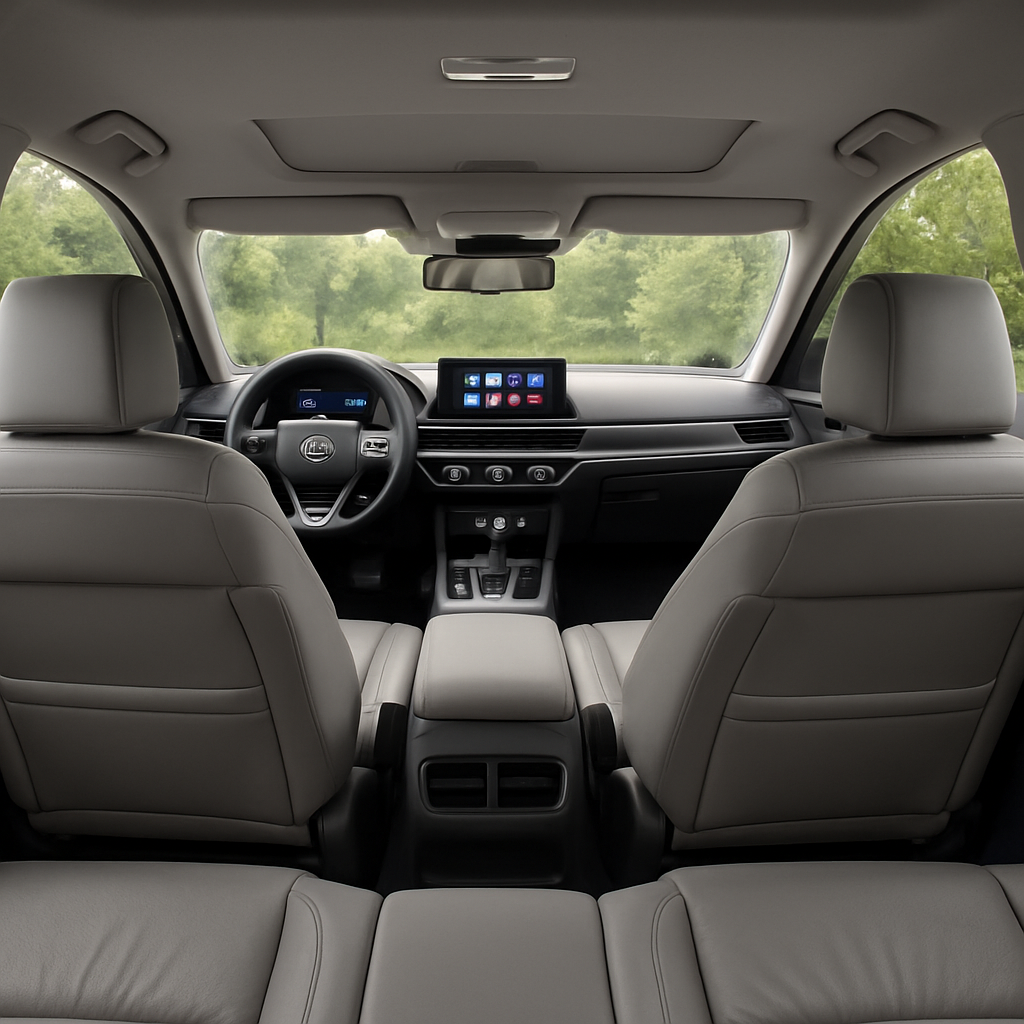
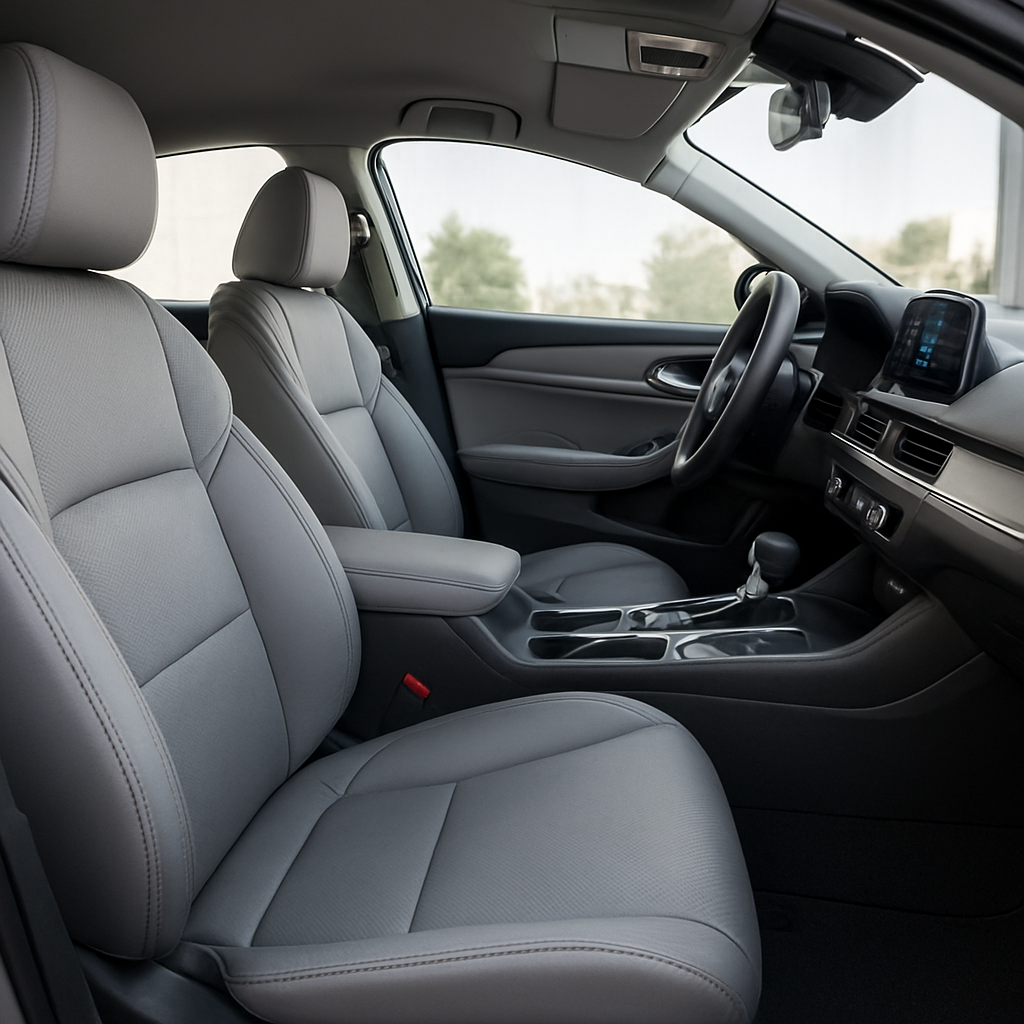
Seating for 5
How many occupants the cabin is designed to seat.
Why it matters It determines whether the whole family or carpool rides comfortably.
Standard
Smart Device Remote Engine Start
This feature allows the driver to start the vehicle's engine remotely using a compatible smartphone app. The engine runs for a set period, allowing the cabin to reach a comfortable temperature before the driver gets in. It works through a connected service rather than a traditional key fob.
Why it matters Being able to warm up or cool down the cabin before entering is a meaningful comfort advantage in extreme weather. Using a smartphone means the driver does not need to carry or remember a separate remote.
Standard

+68 more interior features in the trim comparison.
Exterior
Features

Exterior

Styling, lighting, and wheels.

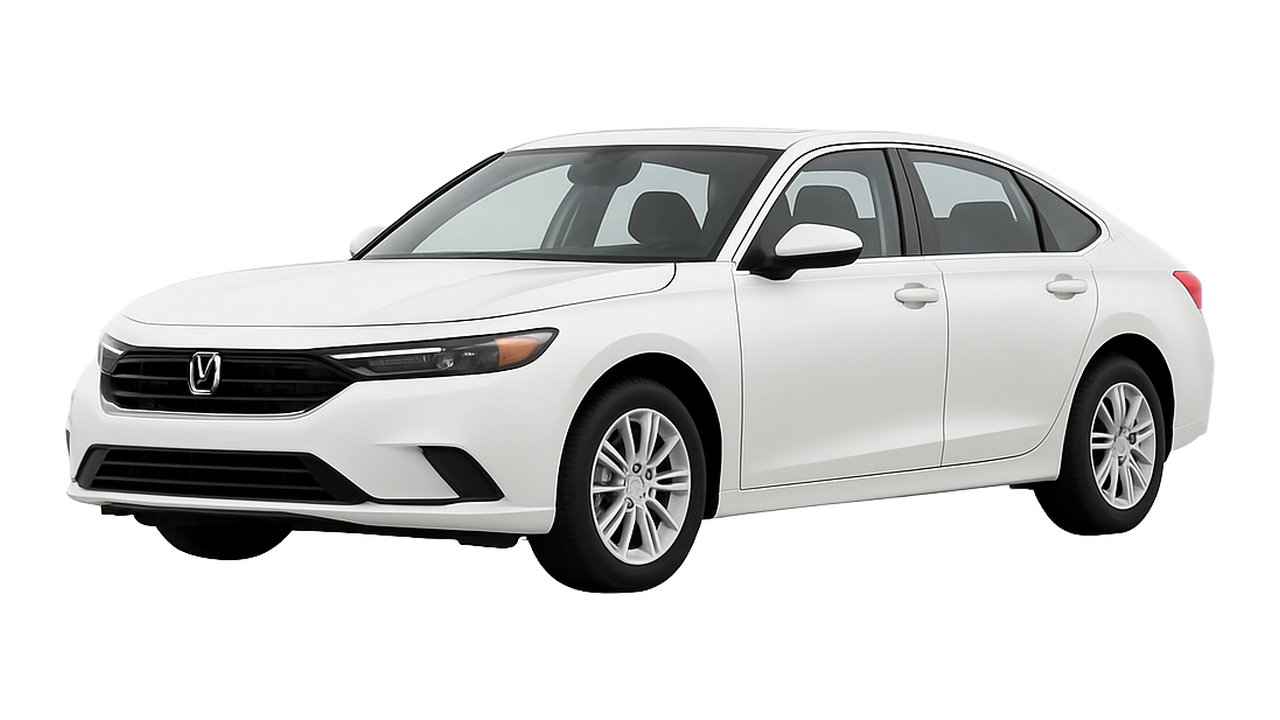
Auto On/Off LED Headlamps with Daytime Running Lights and Auto High-Beam
This headlamp system uses LED technology for both low and high beams, providing consistent illumination without the warm-up time associated with older bulb types. The automatic on/off function activates the lights based on ambient light levels, while the delay-off feature keeps them on briefly after the car is turned off. An automatic high-beam function switches between high and low beams based on detected oncoming or preceding traffic.
Why it matters Drivers benefit from not having to manually manage their headlights in changing light conditions, and the auto high-beam function helps maximize visibility on dark roads without blinding other drivers.
Standard
Fixed Rear Window with Defroster
The rear window is a fixed piece of glass — it does not open — and is equipped with an electric defroster. The defroster consists of thin heating elements embedded in or bonded to the glass that warm up when activated, clearing condensation, frost, and fog from the rear window surface. This feature is standard across all listed trims.
Why it matters A rear defroster is one of the most practically useful features in cold or humid climates, restoring rear visibility quickly without the need to scrape or wipe the glass by hand. It's a safety-relevant feature that most drivers rely on regularly.
Standard
LED Brakelights
LED brakelights use light-emitting diodes instead of traditional incandescent bulbs to signal braking to drivers behind you. LEDs illuminate almost instantly when the brake pedal is pressed, giving following drivers a fraction of a second more reaction time. They also tend to draw less power and last longer than conventional bulbs.
Why it matters Because LED brakelights respond faster than incandescent alternatives, they can help reduce the risk of rear-end collisions in everyday stop-and-go traffic. This feature is standard across all Accord trims, so every buyer benefits from it.
Standard
19-inch wheels
The diameter of the wheels fitted to the car.
Why it matters Larger wheels change the stance; smaller wheels tend to ride more comfortably.
Trim-specificSE, Sport
Body-Colored Power Heated Side Mirrors with Manual Folding and Turn Signal Indicator
These side mirrors are painted to match the vehicle's exterior color and can be adjusted electronically from inside the cabin. A heating element embedded in the mirror glass clears fog, frost, and condensation, while integrated turn signal lights flash to alert nearby drivers and pedestrians when changing lanes. The mirrors can also be folded manually when needed, such as in tight parking situations.
Why it matters Heated mirrors are particularly useful in cold or wet climates where visibility can be compromised quickly. The built-in turn signal indicators add a layer of safety by making the vehicle's intentions more visible from the side.
Trim-specificEX-L, Touring
Compact Spare Tire Mounted Inside Under Cargo
A compact spare tire is stored beneath the cargo floor inside the vehicle. This type of spare, sometimes called a temporary or space-saver spare, is smaller than the regular road tires and is intended for short-term use to get you to a repair facility. Its location under the cargo area keeps the trunk floor flat and accessible.
Why it matters Having a physical spare tire means you can get back on the road after a flat without waiting for roadside assistance. The under-cargo mounting keeps it out of the way until it's needed.
Trim-specificSE, LX
Speed-Sensitive Rain-Detecting Variable Intermittent Wipers
These wipers use a sensor to detect the amount of moisture on the windshield and automatically adjust their sweep speed accordingly. As vehicle speed increases, the system also factors in the higher airflow to maintain clear visibility without driver input. This feature is exclusive to the Touring trim on the Accord.
Why it matters Drivers no longer need to manually adjust wiper speed as rain intensity changes or as they move between city streets and highways. This reduces distraction and helps maintain a clear view in varying conditions.
Trim-specificTouring
Steel Spare Wheel
A steel spare wheel is a full-size or compact backup wheel made from stamped steel rather than the alloy used on the primary wheels. It is stored under the trunk floor and is intended for temporary use after a flat tire. On the Accord, this spare comes standard on the LX and SE trims.
Why it matters Having a physical spare tire means that in the event of a flat, you can swap wheels and continue driving rather than waiting for roadside assistance. For drivers who travel in areas with limited cell service or sparse roadside help, this provides meaningful peace of mind.
Trim-specificLX, SE
Galvanized Steel and Aluminum Panels
The Accord's body panels incorporate galvanized steel and aluminum construction. Galvanized steel has been treated with a zinc coating to resist rust and corrosion, while aluminum panels are naturally resistant to oxidation and contribute to weight management. Together, these materials help the body structure hold up over time in varying climates and conditions.
Why it matters Corrosion-resistant body materials are important for long-term ownership, particularly in regions where road salt, humidity, or coastal air accelerate rust. Buyers planning to keep their vehicle for many years benefit from this kind of construction.
Standard

+25 more exterior features in the trim comparison.
Features

Comfort

Climate, convenience, and everyday ease.

Auto-Dimming Mirror with HomeLink
This rearview mirror automatically reduces glare from headlights behind the vehicle by darkening its reflective surface in response to light sensors. It also integrates HomeLink, a built-in transmitter that can be programmed to operate garage doors, gates, and compatible home lighting systems. The attachment component listed separately is required for installation.
Why it matters Combining glare reduction with a home access transmitter in a single mirror keeps the cabin tidy and reduces the need for a separate remote control clipped to the visor.
Trim-specificSport-L, Sport, LX, Touring, SE, EX-L
Black All-Season Floor Mats
These dealer-installed floor mats are designed to fit the Accord's interior footwells and are made to handle year-round conditions including mud, rain, and snow. The all-season construction means they can be used continuously without swapping them out by season. They are finished in black to blend with most interior color schemes.
Why it matters Protecting the factory carpet from dirt and moisture helps preserve the vehicle's interior condition and resale value over time.
Trim-specificLX, Touring, EX-L, Sport, Sport-L, SE
Black Wheel Locks
Wheel locks are specialized lug nuts that require a unique key socket for removal, making it significantly harder for a thief to steal the vehicle's wheels. This set is finished in black, adding a visual element that complements dark wheel and trim combinations. They are a dealer-installed option available on all Accord trims.
Why it matters Wheels and tires represent a meaningful investment, and wheel locks provide a practical deterrent against theft without requiring any permanent modifications to the vehicle.
Trim-specificTouring, Sport, Sport-L, SE, LX, EX-L
Body-Colored Body Side Molding
Body side moldings are protective strips applied along the doors of the vehicle to help guard against minor door dings and parking lot scrapes. This dealer-installed version is finished to match the vehicle's exterior paint color, making it blend into the body rather than stand out as a contrasting trim piece. It is available as an option on all Accord trims.
Why it matters In busy parking lots, door edges are particularly vulnerable to contact from adjacent vehicles, and these moldings provide a layer of protection that can help preserve the paint and body panels.
Trim-specificSport, Touring, LX, Sport-L, EX-L, SE
Cargo Package
The Cargo Package bundles together accessories designed to protect and organize the trunk area. It is available as a package across all Accord trim levels. Typical cargo packages for this type of vehicle include items like a trunk tray or liner to guard against spills and dirt.
Why it matters Buyers who regularly carry groceries, sports equipment, or other cargo will find that protecting the trunk floor from day one helps preserve the vehicle's condition and resale value.
Trim-specificLX, SE, Sport-L, Touring, EX-L, Sport
Chrome Wheel Locks
Wheel locks are specialized lug nuts that require a unique key socket to remove, making it significantly harder for thieves to steal your wheels or tires. The chrome finish on these wheel locks matches polished or chrome wheel accents. They are available as a dealer-installed option on all Accord trims.
Why it matters Alloy wheels are a common target for theft, and wheel locks add a meaningful layer of deterrence without requiring any permanent modification to the vehicle.
Trim-specificSE, LX, Sport, Touring, Sport-L, EX-L
Door Edge Guards (Body-Colored)
Door edge guards are protective strips applied to the outer edges of each door — the areas most likely to make contact with other vehicles or objects in tight parking situations. Body-colored versions are tinted to blend with the vehicle's paint rather than standing out as a contrasting trim piece. This is a dealer-installed option available on all Accord trims.
Why it matters Even minor door edge chips and dings can lead to rust over time, and these guards help protect one of the most vulnerable areas of the vehicle's finish from everyday parking lot contact.
Trim-specificEX-L, Sport-L, LX, SE, Sport, Touring
Door Sill Protection Film
Door sill protection film is a clear or lightly tinted adhesive film applied to the door sill area — the painted surface you step over each time you enter or exit the vehicle. This area is highly prone to scuffs from shoes and luggage. It is a dealer-installed option available on all Accord trims.
Why it matters The door sill is one of the first areas to show wear on a vehicle, and protecting it from the start helps maintain the interior's appearance and the vehicle's overall condition over time.
Trim-specificSE, Sport, EX-L, Touring, Sport-L, LX
Illuminated Door Sill Trim
Illuminated door sill trim consists of accent panels installed at the base of each door opening that light up when a door is opened. The lighting draws attention to the entry point and adds a finished, intentional look to the interior threshold. These panels also protect the sill area from scuffs caused by entering and exiting the vehicle.
Why it matters The illumination makes it easier to see the step area in low-light conditions, which is a practical benefit when getting in or out at night. The trim also helps preserve the paint or finish on the door sill from everyday wear.
Trim-specificLX, Touring, Sport, EX-L, Sport-L, SE

+32 more comfort features in the trim comparison.
Did you know?

Tech keeps trickling down

Features once reserved for luxury cars — wireless smartphone integration, adaptive cruise, blind-spot monitoring — are increasingly standard on mainstream sedans. Check each trim's equipment to see where the line falls.

Connectivity Equipment data pending. Feature-level availability for wireless connectivity and onboard services requires a structured equipment feed — these appear here, with the trims that include each one, once the approved feed is connected.
Cargo
Features

Cargo

Storage, loading, and versatility.

16.7 cu-ft of cargo space
How much the trunk holds with the rear seats up.
Why it matters It sets how much luggage, gear, or groceries you can carry.
Standard
Features

Hybrid

Hybrid-electric powertrain features.

Hybrid-Electric Powertrain
Pairs a gasoline engine with electric motors and a battery that recharges as you drive — no plugging in.
Why it matters Hybrids typically use noticeably less fuel than a comparable gas-only engine, especially in city driving.
Trim-specificSport, EX-L, Sport-L, Touring
Availability

How features change across the lineup

A quick read on what every trim shares and what each trim group adds — the full feature-by-trim detail lives in the trim comparison.
Shared across the lineup
Every trim (6)
ABS and Driveline Traction Control · Adaptive Cruise Control with Low-Speed Follow · Back-Up Camera · Collision Mitigation Braking System (CMBS) with Forward Collision Warning (FCW) · Collision Mitigation Front +83 more
Gas trims
LX · SE
1.5T I-4 DOHC 16-Valve Turbocharged VTEC Engine with Idle-Stop · 4-Wheel Disc Brakes with ABS, Brake Assist, Hill Hold Control, and Electric Parking Brake · 1.5L Turbocharged 4-Cylinder · 192 horsepower · Compact Spare Tire Mounted Inside Under Cargo +10 more
Hybrid trims
2.0L I-4 DOHC 16-Valve Dual-VTC Engine · Hybrid Electric Motor · Regenerative 4-Wheel Disc Brakes with 4-Wheel ABS, Front Vented Discs, Brake Assist, Hill Hold Control, and Electric Parking Brake · 204 horsepower · Bluetooth Wireless Phone Connectivity +28 more
Top-trim equipment
Exclusive to Touring
Radio: Bose Premium Sound System with Twelve Speakers, Large Touchscreen, and Google Built-In · Head-Up Display · Heated and Ventilated Front Bucket Seats · Integrated Navigation System with Voice Activation · Real-Time Traffic Display +10 more

Optional and package-controlled equipment is tracked per trim in our catalog and varies by configuration — see the trim comparison for the full feature-by-trim breakdown rather than a row-by-row list here.

The lineup

Available across the Accord lineup

FAQ

Frequently asked questions

Not based on the published numbers. Touring costs $4,400 more than EX-L but returns lower EPA figures (46/41/44 vs 51/44/48), with no other spec differences documented between the two.

The hybrid premium is $5,400 — the cost of the Sport ($33,795) over the gas LX ($28,395) — and buys a jump from 32 combined MPG on the LX to 44 combined MPG on the Sport, a substantial efficiency gain for the added cost.

The EX-L leads the lineup at 51 city, 44 highway, 48 combined MPG, ahead of the Sport, Sport-L, and Touring, which all share 46/41/44 MPG ratings despite different price points.

The EX-L stands out because it posts the best fuel economy of any trim while costing $4,400 less than Touring and only $400 more than Sport-L, which shares Touring's lower MPG ratings.

No. Both use the same two-motor hybrid-electric powertrain, electronic CVT, and front-wheel drive layout, with identical EPA ratings across city, highway, and combined MPG.

Touring costs $5,700 more than Sport (16.9%) with identical EPA ratings and the same core hybrid powertrain, so the added cost isn't justified by anything in the published specs.
Features View Local Inventory